Coffee Powder Storage Guide for Bulk Buyers — How to Preserve Quality After Delivery
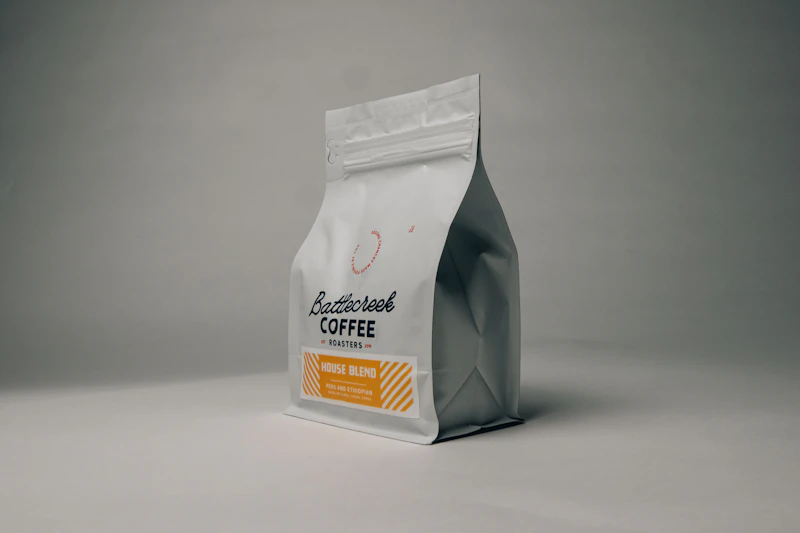
A 25 kg bag of filter coffee powder represents a significant procurement cost. Poor storage can turn a three-month supply into a two-month supply — or worse, waste it entirely when moisture damage sets in mid-bag.
This guide covers exactly what bulk buyers need to do after the delivery arrives.
Why Coffee Powder is Sensitive
Ground coffee has a large surface area compared to whole beans. That surface area reacts continuously with:
- Oxygen: Causes staling — the loss of volatile aromatic compounds that give coffee its character
- Moisture: Causes clumping, mould growth, and accelerated staling
- Heat: Speeds up both oxidation and moisture damage
- Light: UV exposure degrades flavour compounds
- Strong odours: Coffee absorbs ambient smells — a bag stored near onions, cleaning agents, or spices will carry those flavours into your cup
Shelf Life Reference
| Product | Sealed shelf life | Once opened | Notes |
|---|---|---|---|
| Filter coffee powder (60:40, 70:30) | 6 months from manufacture | 6–8 weeks | Transfer to airtight container on opening |
| Instant coffee (spray-dried) | 12 months | 3–4 months | Very moisture-sensitive once opened |
| Instant coffee (agglomerated) | 12 months | 2–3 months | More surface area than spray-dried |
| Assam CTC tea dust | 18 months | 3–4 months | Absorbs odours aggressively |
| Masala chai premix | 12 months | 2–3 months | Spice oils degrade faster than tea base |
The “once opened” figures assume proper airtight storage. In humid Bangalore conditions (June–September), reduce these by 20–30%.
Ideal Storage Conditions
Temperature: Below 25°C. In Bangalore’s pre-monsoon months (March–May), ambient temperatures in most kitchens exceed this. If you have a cool store or air-conditioned storage area, use it for coffee.
Humidity: Below 60% relative humidity. This is the most common failure point — damp monsoon air enters bags that are not resealed properly.
Light: Zero direct sunlight. Kraft paper bags block UV adequately; clear plastic containers do not.
Ventilation: Good airflow around stored bags prevents moisture buildup in corners.
How to Store Your Bulk Delivery
Sealed bags (not yet opened)
- Keep in original packaging until use
- Store off the floor (on pallets or shelving) — floor contact increases moisture risk
- Do not stack more than 3–4 bags high — the bottom bags compress and may develop hot spots
- Keep away from external walls in monsoon season (condensation risk)
Opening a bag
- Never open more than you can use in 4–6 weeks
- Immediately transfer the opened portion into your working container
- Fold and clip the remaining bag tightly — or better, use a clip-seal or cable tie
Working container (daily use)
- Use food-grade stainless steel with a tight-fitting lid, or a food-grade HDPE container with a gasket seal
- Do not use:
- Porous clay or terracotta containers
- Cardboard boxes (absorbs moisture)
- Containers previously used for spices, onions, or cleaning chemicals
- Volume: right-size your working container to what you use in 7–10 days. A container that is always half-empty has too much headspace and stales faster.
How to Check If Coffee Has Gone Bad
Visual signs:
- Visible moisture or clumping inside the bag
- White or grey patches (mould — discard immediately)
- Oil separation on the surface (only in fresh-roasted coffee; normal in small amounts)
Smell test:
- Good: Rich, round coffee smell, slight caramel or roasted notes
- Stale: Flat, paper-like, or cardboard smell — no aromatic lift
- Contaminated: Off smell — spice, chemical, or musty note
Brew test:
- Stale filter coffee produces flat, one-dimensional decoction — thin, no body
- Contaminated coffee produces an odd aftertaste that persists after swallowing
If any of these signs appear and the bag is still within its printed shelf life, the likely cause is improper storage after opening, not a supplier quality issue.
Managing Stock at Scale
For canteens and restaurants buying 25–100 kg per month:
FIFO (First In, First Out): Always use older stock before newer stock. Label bags with their delivery date. New deliveries go to the back of the shelf.
Stock rotation schedule:
- Filter coffee (6-month shelf life): Order once every 6–8 weeks at most
- Instant coffee (12-month shelf life): Order every 10–12 weeks
- Tea (18-month shelf life): Order quarterly
Do not over-order to get a better price if you cannot store the excess properly. The saving on unit price disappears when you have to discard 5 kg of stale powder.
Monsoon-Specific Precautions
Bangalore’s monsoon season (June–September) is the highest-risk period for coffee storage. Practical steps:
- Increase order frequency, reduce order quantity — smaller, fresher stock
- Add silica gel sachets to storage containers (replace monthly)
- Check bags weekly for any soft spots or moisture patches
- Increase airtight container discipline — reseal within 30 seconds of each use
Getting the Right Quantity for Your Storage Capacity
Before your next bulk order, ask: how much can I store properly? Order the amount you can cycle through in 4–6 weeks at your actual usage rate.
TrueBlend Marketing delivers across Bangalore in 24–48 hours, so there is no need to over-order for supply security. Place smaller, fresher orders on a regular schedule. WhatsApp +91-8807237891 to set up a regular supply arrangement.
TrueBlend Marketing Team
Bangalore's B2B coffee and tea wholesale distributor. Supplying cafés, canteens and restaurants across Bangalore with filter coffee, instant coffee and tea in 5–100kg lots.